U Vision Group
Uptown Eye Specialists
.svg)
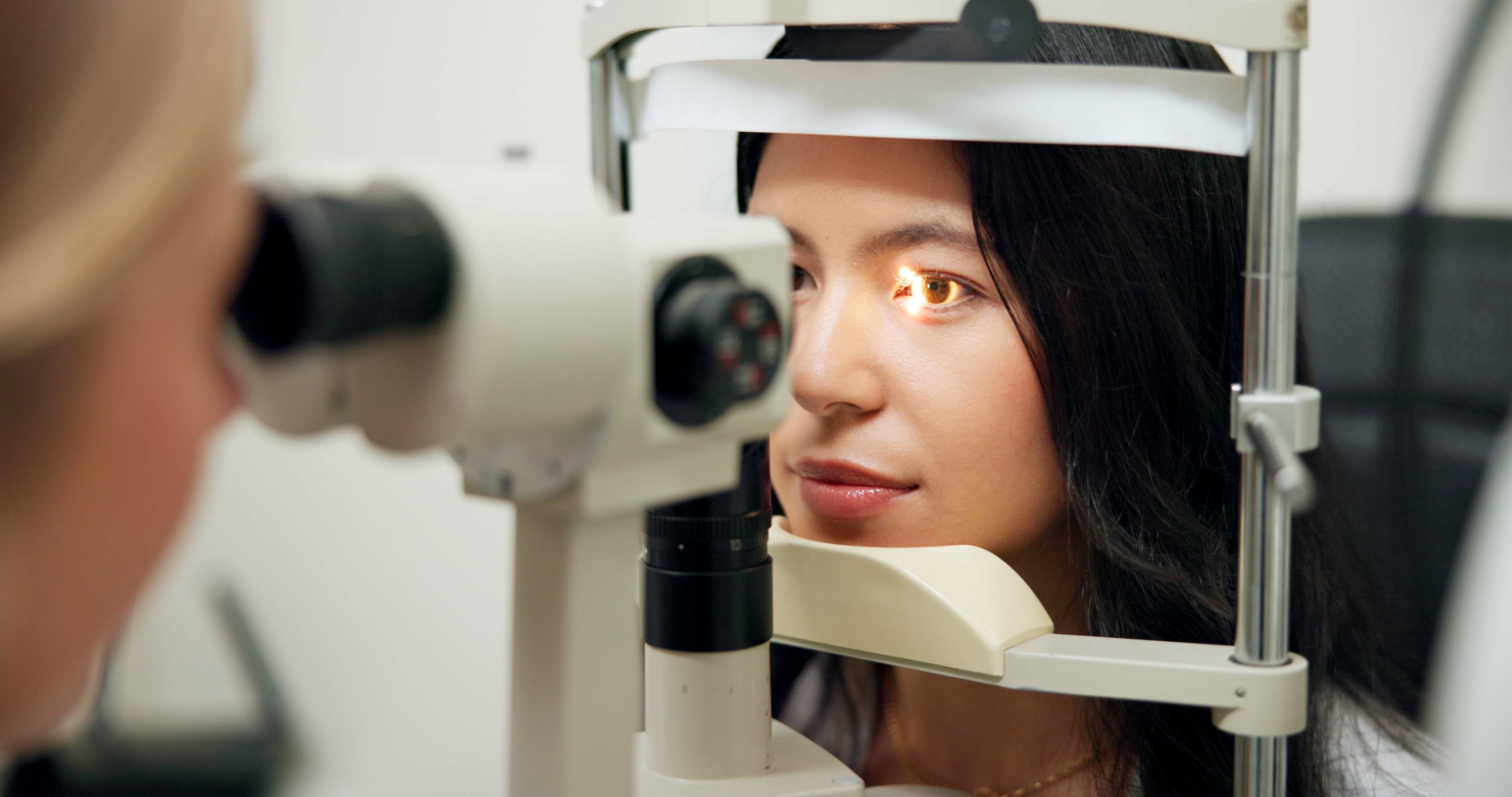
Refractive Lens Exchange (RLE) replaces your eye’s natural lens with an artificial intraocular lens (IOL) to permanently correct vision, reducing or eliminating the need for reading glasses or bifocals. The 10-minute procedure is nearly identical to cataract surgery. Using advanced anesthesia to freeze the eye without needles, the surgeon makes a microscopic, self-healing incision in the cornea, removes the natural lens with ultrasound technology, and replaces it with a foldable IOL that unfolds naturally into place.
Because each patient’s vision needs differ, your surgeon will recommend the most suitable lens type for optimal results at various distances. The incision seals on its own within minutes, and the implant requires no maintenance after surgery. Most patients return to normal activities within about a week. Since the IOL is placed inside the eye, you won’t feel it, and it’s designed to last a lifetime with virtually no change in prescription.
Refractive Lens Exchange (RLE) is a surgical procedure that aims to improve or restore vision by replacing the eye's natural lens with an artificial intraocular lens (IOL) that can improve your distance vision, reading vision or both. RLE is an excellent option if you are not a candidate for trandisional laser eye surgery, such as LASIK.
During the RLE surgery, the natural lens of the eye is removed and replaced with an intraocular lens (IOL). The IOL acts as a permanent implant that provides clear vision without the need for glasses or contact lenses. The type of IOL chosen depends on the patient's visual needs and eye health. The surgery typically takes 15-20 minutes per eye and is performed under local anesthesia.
The main benefit of RLE is improved vision without the need for glasses or contacts. Other advantages include reduced risk of developing cataracts in the future, improved night vision, and enhanced color perception. RLE can also correct astigmatism, which is a common refractive error that causes blurred vision.
After the surgery, patients will need to rest for a few days to allow their eyes to heal properly. Antibiotic and anti-inflammatory eye drops will be prescribed to prevent infection and reduce inflammation. Patients should avoid strenuous activities and refrain from rubbing their eyes for at least two weeks. Follow-up appointments with the eye surgeon will also be necessary to monitor the healing process and ensure optimal vision correction.
Refractive Lens Exchange is a safe and effective procedure for correcting refractive errors and achieving clear vision without glasses or contact lenses. It is important to consult with the experienced eye surgeons at UELC to determine if RLE is the right option for you. Proper aftercare following surgery is also crucial for successful outcomes. With RLE, many patients can enjoy clear vision well into their golden years. So if you are considering RLE, make sure to reach out to UELC to determine if it is the best option for your individual needs and goals. Your future self will thank you for investing in your vision health. Keep seeing the world clearly with RLE! Remember, better vision means a better life.
RLE is recommended for patients who are over 40 years old and wish to reduce their dependence on glasses and contacts. This procedure can improve near and distance vision as well as astigmatism.
The surgery typically takes less than 10 minutes per eye and you can notice vision improvements as soon as the next day. Your vision will continue to improve over the next two weeks.
Both procedures are safe, comfortable and an effective solutions to many vision problems including myopia, hyperopia, astigmatism, and presbyopia.
Refractive Lens Exchange is virtually the same as cataract surgery, which is the most common surgical procedure in the world. After making small incisions in the cornea and using ultrasound to remove your natural lens, your surgeon inserts an intraocular lens (IOL) into the empty capsule.
Lorem ipsum dolor sit amet consectetur adipiscing elit. Quisque faucibus ex sapien vitae pellentesque sem placerat.
In id cursus mi pretium tellus duis convallis. Tempus leo eu aenean sed diam urna tempor.

%20(1).png)