U Vision Group
U Shoppe
.svg)
January 20, 2026
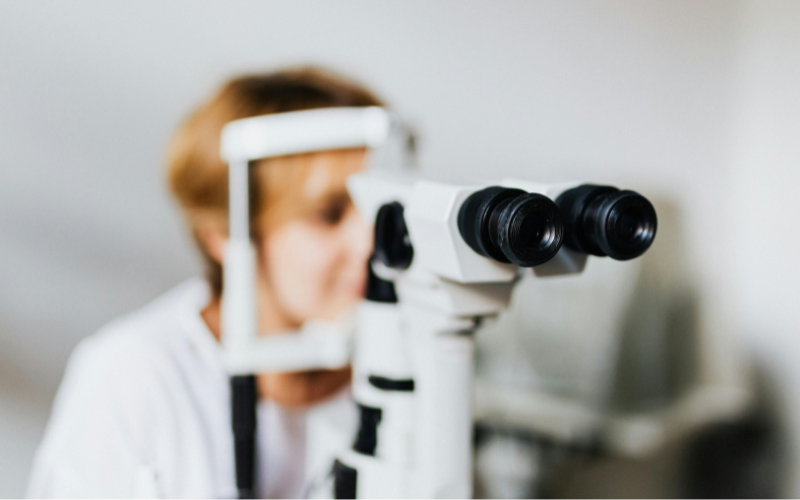
Recovering from PRK (Photorefractive Keratectomy) Eye Surgery is a vital step toward achieving clear, lasting vision. This healing period requires patience, consistency, and adherence to your post-operative plan. At UELC, our goal is to ensure that every patient enjoys a safe and comfortable recovery with results that reflect our commitment to precision, advanced technology, and personalized care.
PRK is a laser vision correction procedure that reshapes the cornea to improve how light enters the eye, enhancing visual clarity. Unlike LASIK, PRK does not involve creating a corneal flap. Instead, the surface epithelial layer is gently removed before reshaping begins. This makes PRK especially suitable for patients with thinner corneas or specific corneal characteristics.
Compared to SMILE™ (Small Incision Lenticule Extraction)—a minimally invasive procedure within UELC’s UltraView FREEDOM™ platform—PRK requires more surface healing. SMILE™ reshapes the cornea through a tiny incision without removing the epithelial layer, often resulting in faster recovery, less discomfort, and a lower risk of dry eye for suitable candidates. For this reason, SMILE™ is frequently preferred when patients qualify, while PRK remains an excellent alternative when SMILE™ or LASIK are not ideal options.
Because the epithelium must regenerate naturally after PRK, recovery time is longer than both LASIK and SMILE™, but long-term visual outcomes are equally excellent. Learn more about PRK eye surgery and its long-term benefits.
In the first few days following PRK, it is common to experience mild discomfort, light sensitivity, and fluctuating vision. A protective contact lens will be placed on the eye to support healing and reduce irritation. Resting in a dimly lit environment and avoiding screen exposure will help minimize strain. Artificial tears and prescribed medications should be used exactly as directed to control inflammation and prevent infection.
Discomfort typically peaks within the first 48 hours and gradually decreases as the epithelium heals. Using chilled preservative-free lubricating drops, wearing sunglasses outdoors, and keeping the eyes closed during rest periods can reduce irritation. Avoid rubbing or touching your eyes during this phase. If you experience significant pain or sudden changes in vision, contact your UELC surgeon immediately.
Your prescribed post-operative medications are essential to a smooth recovery. These typically include:
Use these on schedule, even if your eyes feel comfortable. Keep your follow-up appointments so your surgeon can monitor healing and remove the protective lens at the appropriate time.
At UELC, PRK is performed as part of UltraView FREEDOM™, our comprehensive vision correction platform that also includes LASIK™ and SMILE™. This advanced system is designed for ultra-precise corneal reshaping and smoother healing responses. While SMILE™ often offers quicker recovery when appropriate, UltraView FREEDOM™ ensures that PRK patients still benefit from exceptional precision, surgeon expertise, and long-term visual stability.
Recovery is influenced not only by post-surgical care but also by overall health. A nutrient-rich diet supports cellular repair and ocular surface recovery. Focus on:
Avoid alcohol and smoking during the recovery period, as they can slow tissue regeneration and impair tear production.
For at least one week after PRK, avoid activities that could expose your eyes to contaminants or trauma, such as swimming, using saunas, or wearing eye makeup. Exercise should be limited to low-impact activities to prevent sweat and debris from entering the eyes. Refrain from driving until your surgeon confirms your vision meets the required standard.
Mild fluctuations in vision, tearing, and sensitivity to light are normal during recovery. However, symptoms such as increasing pain, redness, discharge, or sudden vision changes may indicate complications. Prompt communication with your care team ensures timely management and protects your healing progress.
Your scheduled follow-up visits are essential checkpoints in the recovery process. During these appointments, we evaluate epithelial healing, remove the bandage contact lens, and monitor for haze or inflammation. If any new symptoms arise between visits—such as worsening pain, persistent blurriness, or light halos—contact our clinic without delay.
Once recovery is complete, patients typically achieve sharp, stable vision comparable to LASIK and SMILE™ outcomes. To maintain optimal visual health:
As a clinic that combines advanced vision correction with aesthetic eye care and facial rejuvenation, UELC emphasizes long-term eye health as part of an overall approach to visual clarity and confidence.
A successful PRK recovery depends on careful adherence to post-operative guidelines and a proactive approach to eye health. While SMILE™ is often the preferred option for eligible patients due to its minimally invasive nature and faster recovery, PRK remains a trusted and effective solution when clinically indicated. At UELC, we guide you to the procedure that best supports both your vision and lifestyle goals.
For more information on PRK, SMILE™, and the full UltraView FREEDOM™ vision correction experience, visit PRK eye surgery Brampton or book a personalized consultation today.
%20(1).png)
Really, it’s not about us. It’s about U. Our mission is to exceed your laser eye care and cosmetic needs, and that also means at home. Our experienced and qualified doctors and staff have shared their knowledge on everything to visualize the best U.
Recovering from PRK (Photorefractive Keratectomy) Eye Surgery is a vital step toward achieving clear, lasting vision. This healing period requires patience, consistency, and adherence to your post-operative plan. At UELC, our goal is to ensure that every patient enjoys a safe and comfortable recovery with results that reflect our commitment to precision, advanced technology, and personalized care.
PRK is a laser vision correction procedure that reshapes the cornea to improve how light enters the eye, enhancing visual clarity. Unlike LASIK, PRK does not involve creating a corneal flap. Instead, the surface epithelial layer is gently removed before reshaping begins. This makes PRK especially suitable for patients with thinner corneas or specific corneal characteristics.
Compared to SMILE™ (Small Incision Lenticule Extraction)—a minimally invasive procedure within UELC’s UltraView FREEDOM™ platform—PRK requires more surface healing. SMILE™ reshapes the cornea through a tiny incision without removing the epithelial layer, often resulting in faster recovery, less discomfort, and a lower risk of dry eye for suitable candidates. For this reason, SMILE™ is frequently preferred when patients qualify, while PRK remains an excellent alternative when SMILE™ or LASIK are not ideal options.
Because the epithelium must regenerate naturally after PRK, recovery time is longer than both LASIK and SMILE™, but long-term visual outcomes are equally excellent. Learn more about PRK eye surgery and its long-term benefits.
In the first few days following PRK, it is common to experience mild discomfort, light sensitivity, and fluctuating vision. A protective contact lens will be placed on the eye to support healing and reduce irritation. Resting in a dimly lit environment and avoiding screen exposure will help minimize strain. Artificial tears and prescribed medications should be used exactly as directed to control inflammation and prevent infection.
Discomfort typically peaks within the first 48 hours and gradually decreases as the epithelium heals. Using chilled preservative-free lubricating drops, wearing sunglasses outdoors, and keeping the eyes closed during rest periods can reduce irritation. Avoid rubbing or touching your eyes during this phase. If you experience significant pain or sudden changes in vision, contact your UELC surgeon immediately.
Your prescribed post-operative medications are essential to a smooth recovery. These typically include:
Use these on schedule, even if your eyes feel comfortable. Keep your follow-up appointments so your surgeon can monitor healing and remove the protective lens at the appropriate time.
At UELC, PRK is performed as part of UltraView FREEDOM™, our comprehensive vision correction platform that also includes LASIK™ and SMILE™. This advanced system is designed for ultra-precise corneal reshaping and smoother healing responses. While SMILE™ often offers quicker recovery when appropriate, UltraView FREEDOM™ ensures that PRK patients still benefit from exceptional precision, surgeon expertise, and long-term visual stability.
Recovery is influenced not only by post-surgical care but also by overall health. A nutrient-rich diet supports cellular repair and ocular surface recovery. Focus on:
Avoid alcohol and smoking during the recovery period, as they can slow tissue regeneration and impair tear production.
For at least one week after PRK, avoid activities that could expose your eyes to contaminants or trauma, such as swimming, using saunas, or wearing eye makeup. Exercise should be limited to low-impact activities to prevent sweat and debris from entering the eyes. Refrain from driving until your surgeon confirms your vision meets the required standard.
Mild fluctuations in vision, tearing, and sensitivity to light are normal during recovery. However, symptoms such as increasing pain, redness, discharge, or sudden vision changes may indicate complications. Prompt communication with your care team ensures timely management and protects your healing progress.
Your scheduled follow-up visits are essential checkpoints in the recovery process. During these appointments, we evaluate epithelial healing, remove the bandage contact lens, and monitor for haze or inflammation. If any new symptoms arise between visits—such as worsening pain, persistent blurriness, or light halos—contact our clinic without delay.
Once recovery is complete, patients typically achieve sharp, stable vision comparable to LASIK and SMILE™ outcomes. To maintain optimal visual health:
As a clinic that combines advanced vision correction with aesthetic eye care and facial rejuvenation, UELC emphasizes long-term eye health as part of an overall approach to visual clarity and confidence.
A successful PRK recovery depends on careful adherence to post-operative guidelines and a proactive approach to eye health. While SMILE™ is often the preferred option for eligible patients due to its minimally invasive nature and faster recovery, PRK remains a trusted and effective solution when clinically indicated. At UELC, we guide you to the procedure that best supports both your vision and lifestyle goals.
For more information on PRK, SMILE™, and the full UltraView FREEDOM™ vision correction experience, visit PRK eye surgery Brampton or book a personalized consultation today.
